Shiva Temples — Significance and Sacred Sites
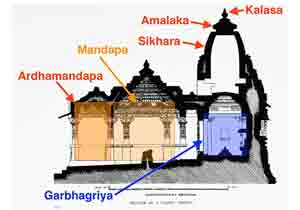
Hindu temples serve as spiritual centers and facilitate the Hindu way of life by providing devotees with opportunities to serve God personally and perform their obligatory duties towards God, the world, and others. They are designed to be the abode or the body of God and bring human beings and gods together as partners in upholding Dharma and ensuring the order and regularity of the worlds.
The symbolism and structure of Hindu temples, especially the traditional ones, are rooted in Vedic traditions, with circles and squares and the design of ancient sacrificial pits integrated into them. They also represent the recurring themes of the macrocosm and the microcosm, incorporating astronomical numbers, aspects of geography and geometry, and symbols to deepen the relationship between deities and devotees. Hindu temples incorporate the essential elements of the Hindu cosmos — representing its duality and dichotomy, the Hindu concept of cyclical time, and the guiding factors of life such as karma and the four aims of dharma, artha, kama, and moksha.
Hindu temples come in many styles, are situated in diverse locations, and are found across South Asia — particularly India and Nepal — as well as in Southeast Asian countries such as Sri Lanka, Cambodia, Vietnam, and the islands of Indonesia and Malaysia, and in diaspora communities worldwide. The current appearance of Hindu temples reflects arts, materials, and designs as they evolved over two millennia, including the synthesis of art and culture between Hinduism and Islam since the 12th century.
The temples of Shiva are among the oldest and most ancient sacred sites in the world. The tradition of worshipping Shiva and his associate deities in temples may be as old as the tradition itself. Shiva and Shakti temples are found all over India and elsewhere. The most famous among them are the Jyotirlinga temples, Mahashakti temples, Pancha Bhuta Sthalas, and temples dedicated to the various aspects, emanations, and manifestations of Shiva. For more information on Shiva temples, please check the following links.1
Related Resources
Hinduwebsite.com and Saivism.net
External Resources
1. The introduction is adapted from Wikipedia with necessary modifications and improvements.
2. The image of the temple in this article is licensed under the Creative Commons Attribution-Share Alike 4.0 International licence.
Disclaimer: These links are provided as a convenience and for informational purposes only; they do not constitute an endorsement or approval of any products, services, or opinions of the corporation, organization, or individual. We take no responsibility for the accuracy, legality, or content of the external sites or subsequent links. Contact the external site directly for any questions regarding its content.