Siddhas — Siddhi, Siddha Yoga, and the Path of Perfection
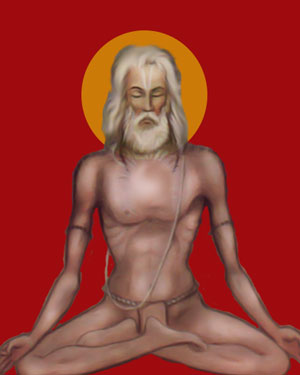
Siddha means the perfect one, the self-realized one, an adept, the pure one — a yogi who has overcome all the impurities of the mind and body and achieved self-absorption, a great devotee of Shiva. The word is used in Indian religious and cultural expressions as a reference to a spiritually accomplished master or the state of liberation or enlightenment.
Siddha may also refer to yogis who have attained Siddhis, or paranormal capabilities. Broadly speaking, Siddhars, Naths, ascetics, sadhus, yogis, tantriks, and gurus who practice sadhana may be considered Siddhas, especially if they have advanced on the path and awakened to the highest reality.
In Jainism, the term is used to refer to liberated souls who have destroyed all karmas and obtained moksha. They are free from the transmigratory cycle of birth and death (saṃsāra) and are above Arihantas, the omniscient beings. Since they are souls in the purest form, they do not possess corporeal bodies. They are formless, free from passions and temptations, and reside in the Siddhashila at the top of the universe.
In Tamil Nadu, South India, a siddha (see Siddhar) refers to a being who has achieved a high degree of physical as well as spiritual perfection or enlightenment. The ultimate proof of this is said to be the attainment of physical immortality through the use of certain purificatory techniques and prolonged, undisturbed meditation. For more information on Siddhas, please check the following links.1
Related Resources
Hinduwebsite.com and Saivism.net
External Resources
1. The introduction is adapted from Wikipedia with necessary modifications and improvements.
Disclaimer: These links are provided as a convenience and for informational purposes only; they do not constitute an endorsement or approval of any products, services, or opinions of the corporation, organization, or individual. We take no responsibility for the accuracy, legality, or content of the external sites or subsequent links. Contact the external site directly for any questions regarding its content.